Start With Construction
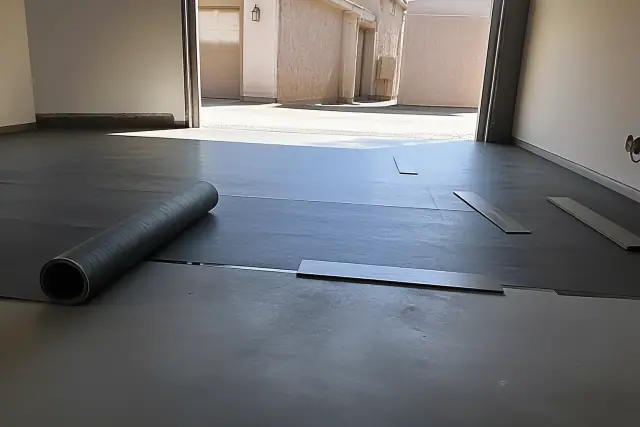
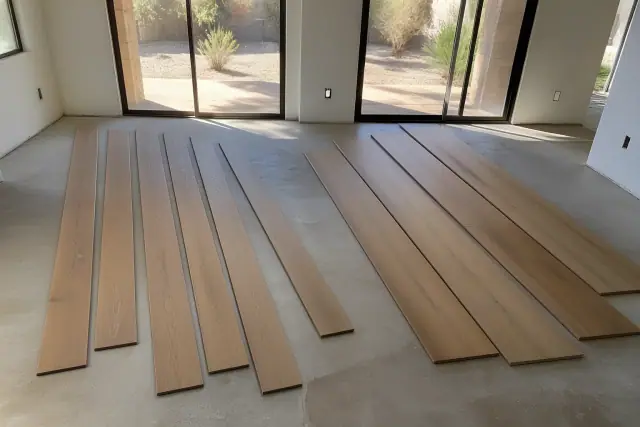
The practical answer is to eliminate products that do not suit the subfloor and indoor conditions before comparing colors. Engineered hardwood can be nailed, glued, or floated, works over radiant heat and in below-grade spaces, and usually handles a Phoenix slab better; solid hardwood rewards a climate-stable room and wood subfloor with more possible refinishing cycles. A floating engineered floor may be manageable for an experienced do-it-yourself installer, but glue-down or nail-down work over a slab depends on moisture readings, vapor control, adhesive selection, and National Wood Flooring Association acclimation practices.
Then Match the Room
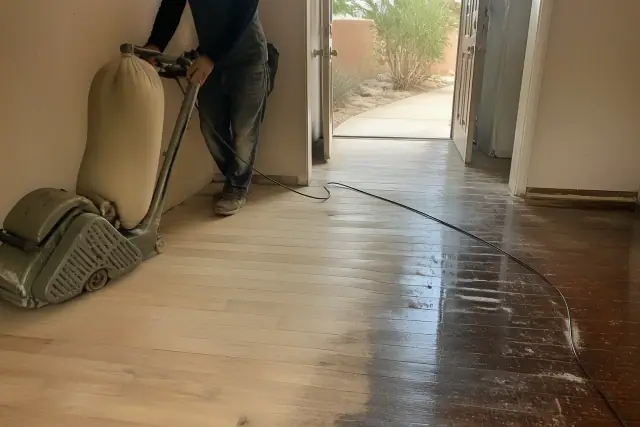
Living rooms often suit wide, matte planks; lower-traffic bedrooms can take lighter maple, while kitchens benefit from engineered construction, tight seams, and a satin or glossy water-resistant finish. No hardwood is waterproof, but aluminum oxide finishes handle occasional moisture and scratches better than softer wood with standard polyurethane. Prefinished boards install faster without in-home finishing fumes, while site finishing creates a flush, seamless surface. Always view aged samples before choosing walnut or cherry because both darken naturally, especially near large west-facing windows, and weigh higher-priced Clear or Select appearance grades against the added knots and color variation of Common grades rather than treating grade as structural quality.
Common Follow-Up Questions
Which finish hides Phoenix dust best? Light, matte, hand-scraped, and wire-brushed surfaces show fine dust and small scuffs less than dark, glossy floors. How often might hardwood need refinishing? Industry guidance recommends a 7 to 10 year interval, adjusted for traffic, finish wear, and wear-layer thickness. What do the three common appearance grades mean? Clear or Select shows minimal knots and color change, Number 1 Common adds moderate natural character, and Number 2 Common-also called Tavern or Rustic-shows the most variation without being structurally inferior. Is exotic hardwood the only route to greater hardness? No; domestic hickory is already one of the hardest choices, while buyers considering exotics can ask whether the material comes from Forest Stewardship Council-certified suppliers.