Proudly serving Phoenix, Scottsdale, Glendale, Tempe, Mesa, Chandler & surrounding areasCall or Text 24/7: 480-264-9683
Aerial drone view of a suburban residential neighborhood with desert landscaping and saguaro cacti in Phoenix, AZ.

Flooring Installation & Repair Services in Tempe, AZ

Phoenix Expert Flooring provides flooring installation for homeowners and businesses throughout Tempe. Our crews install luxury vinyl plank, tile, hardwood, laminate, carpet, epoxy, and commercial floors. We also handle floor repair and replacement plus hardwood refinishing when an existing surface can be saved. Every recommendation starts with the room, traffic level, subfloor condition, and budget.

Tempe's desert conditions can push summer slab temperatures past 140 degrees, while indoor humidity shifts sharply from monsoon season to dry winter months. Moisture can also vary near Tempe Town Lake, the Salt River bed, canals, and older plumbing. We measure the space, test concrete with a calibrated moisture meter, and inspect existing damage before quoting the work. That preparation helps match the material and installation method to the property instead of relying on a generic flooring package.

Ask for a free flooring consultation, a written estimate separating material and labor, and samples you can view under your own lighting. We serve Tempe homes and businesses as well as supported nearby communities across Maricopa County.

★ ★ ★ ★ ★4.9/5 Average Rating - 20+ Years of Experience - Tempe Flooring Company Specialists - Residential & Commercial
Flooring Services

Flooring Installation Services in Tempe, AZ

Choose flooring around the room, moisture exposure, traffic, comfort, and budget rather than appearance alone. We install and restore the ten flooring categories below for residential and commercial properties. We also serve nearby Mesa, AZ , along with Chandler, Ahwatukee, and Guadalupe.

Flooring Installation
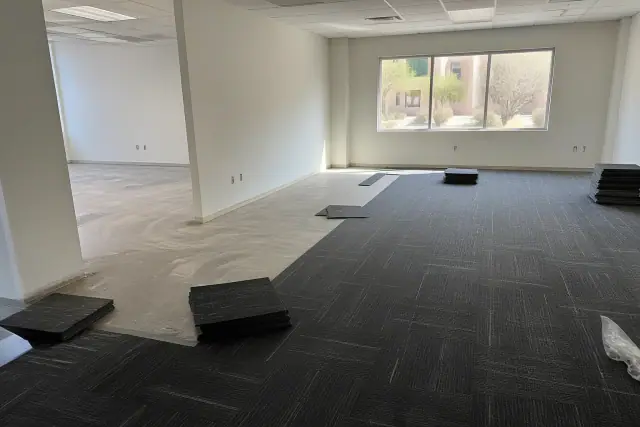
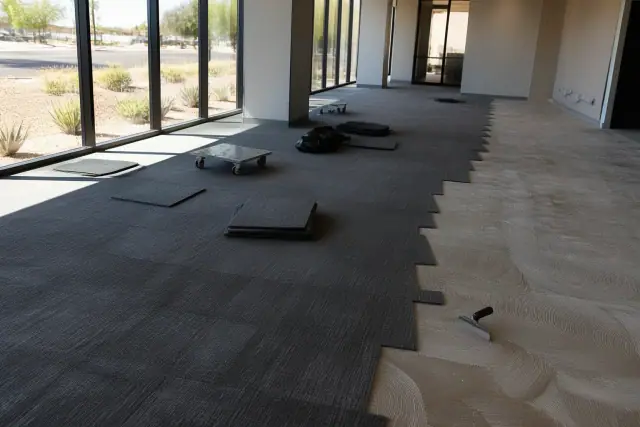
New carpet tiles installed in a commercial office in Tempe, AZ, showing seams and a doorway transition.

A professional installation begins with measurements, a subfloor inspection, and moisture testing. We remove existing material when included, prepare the surface, install to manufacturer specifications, and finish with trim, transitions, and a walkthrough.

Explore Service
Luxury Vinyl Plank Flooring

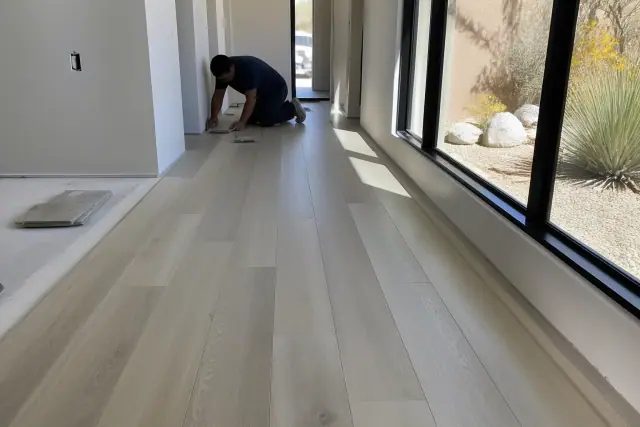
Luxury vinyl plank flooring with a staggered pattern installed in a hallway in Tempe, AZ.

Waterproof, scratch-resistant LVP is a practical choice for homes with children, pets, or frequent rental turnover. We install click-lock and glue-down systems, and standard-sized rooms are often completed within a single day.

Explore Service

Tile Flooring

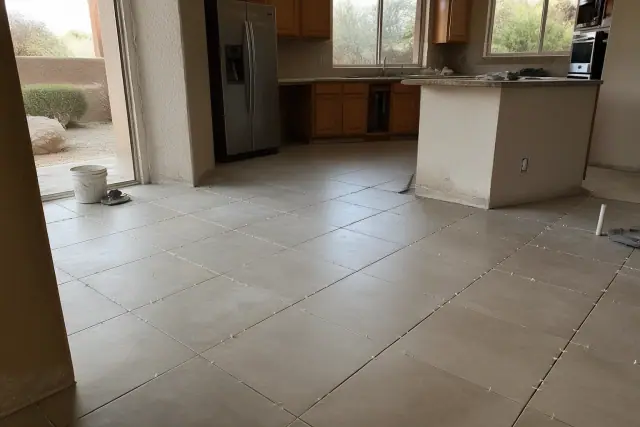
New ceramic kitchen tiles with spacers installed on a floor in Tempe, AZ, with desert scenery visible through the window.

Ceramic, porcelain, and natural stone tile handle heat, moisture, and heavy traffic in kitchens, bathrooms, and entries. We confirm slab moisture and prepare the substrate before setting tile to reduce lippage, cracking, and bond problems.

Explore Service

Hardwood Flooring

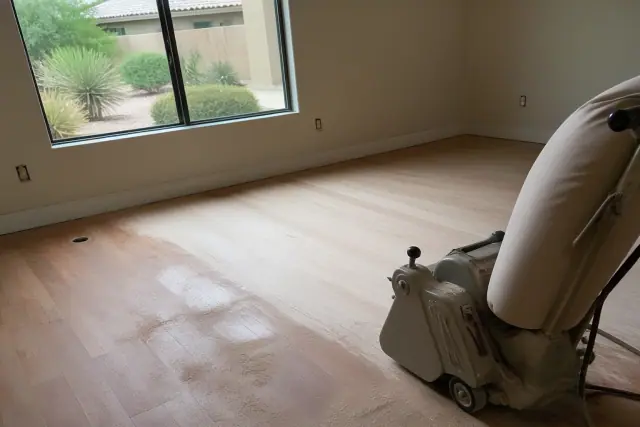
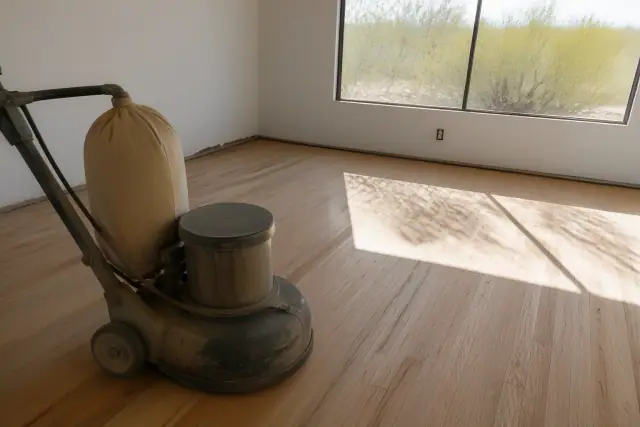
Industrial sander smoothing hardwood bedroom floors during a restoration project in Tempe, AZ.

We install solid and engineered hardwood, then match the approach to Tempe's low ambient humidity. Engineered hardwood's plywood core is generally more predictable through local humidity changes, while solid wood requires more careful acclimation and maintenance.

Laminate Flooring

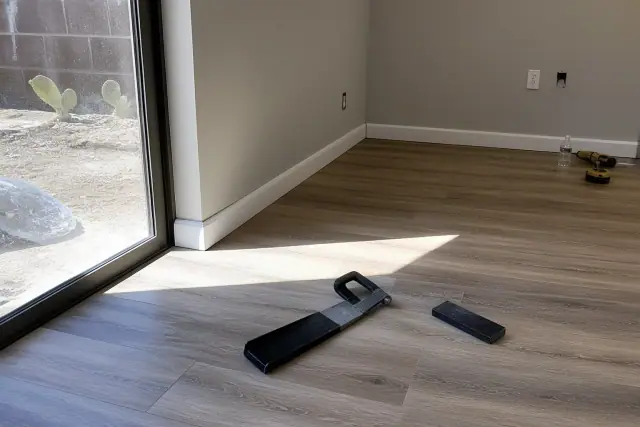
Newly installed laminate flooring and baseboards in a Tempe, AZ basement with a tapping block and pull bar nearby.

Modern laminate combines a high-density fiberboard core with a wood-look wear layer rated from AC3 to AC5. It can be installed in about one day for an average-sized room, but it is not fully waterproof and is better kept out of bathrooms.

Carpet Installation

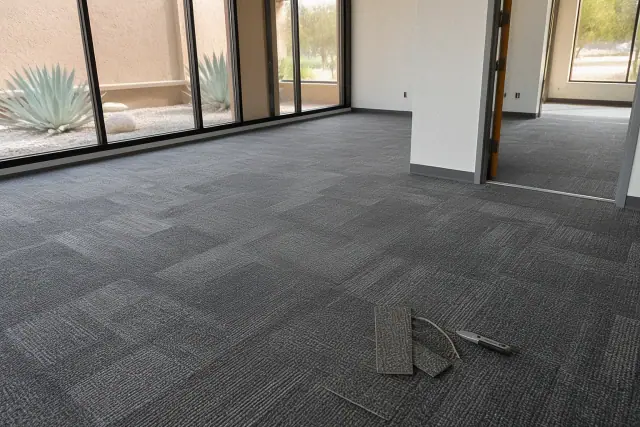
Carpet tiles being installed on an office floor in Tempe, AZ.

Stain-resistant and pet-friendly carpet adds comfort and sound control in bedrooms and lower-traffic rooms. We handle stretch-in or glue-down installation, remove old padding and tack strip, and most residential carpet jobs take one to two days depending on size and furniture.

Floor Repair & Replacement

Industrial sander smoothing hardwood floor planks during a home restoration project in Tempe, AZ.

A full tear-out is not always necessary. We assess water-damaged sections, cracked tile, worn areas, and subfloor damage, then explain whether a targeted repair or broader replacement makes more sense.

Hardwood Floor Refinishing

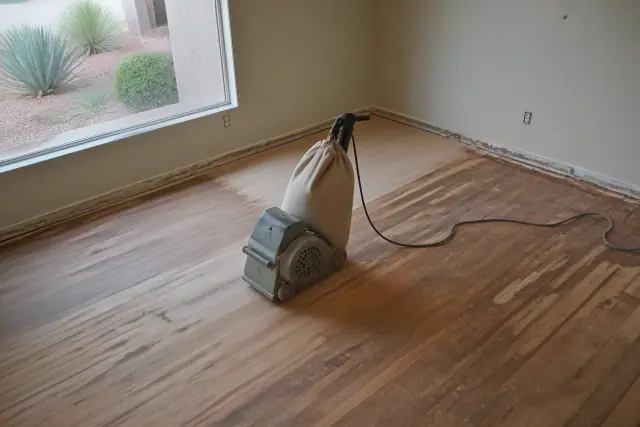
Drum sander on hardwood floor planks during a refinishing project in Tempe, AZ.

Sanding, staining, and sealing can restore faded or scratched hardwood without replacing the entire floor. When the existing boards are suitable, refinishing typically extends their useful life by 10 to 15 years.

Epoxy Flooring

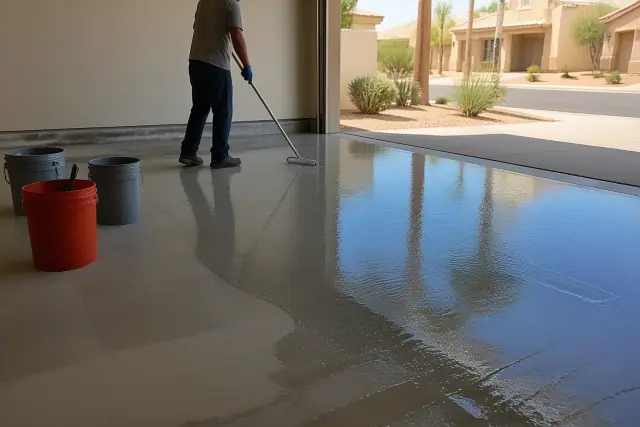
Contractor applying epoxy resin to a garage floor in Tempe, AZ with mixing buckets nearby.

Epoxy provides a chemical- and abrasion-resistant surface for garages, workshops, patios, basements, and commercial shops. Proper slab preparation helps the coating resist hot-tire pickup under Tempe summer conditions.

Commercial Flooring

Commercial carpet tile installation with adhesive tools in a bright, xeriscaped office workspace in Tempe, AZ.

We install commercial LVP and carpet tile for retail spaces, restaurants, offices, and other high-traffic properties. Projects near Mill Avenue, ASU Research Park, and the Tempe Marketplace corridor can be scheduled around business hours, including nights or weekends when needed.

Flooring Selection

How to Choose the Right Flooring in Tempe

Tempe flooring selection comes down to three core climate factors: heat, humidity swings, and UV exposure. Room use, traffic rating, subfloor condition, budget, and installation time then narrow the choice. Use the six considerations below to compare materials without overlooking the conditions beneath the finished surface.

Moisture and Room Use

Porcelain tile and LVP are better suited to bathrooms, kitchens, and other moisture-prone rooms than laminate or solid wood. A slab moisture reading also determines whether mitigation is needed before installation.

Heat and UV Exposure

South- and west-facing rooms with large windows can expose finishes to more heat and UV. Window orientation and sun exposure should guide the choice between solid wood, engineered wood, LVP, tile, and fade-sensitive finishes.

Traffic and Wear Ratings

High-traffic entries benefit from measurable wear performance. The draft recommends LVP wear layers of 20 mils or more, porcelain tile with a PEI rating of 4 or 5, and laminate in the AC3-to-AC5 range for living areas and hallways.

Climate-Stable Construction

Indoor relative humidity can fall below 20 percent during peak summer air-conditioning use, then rise during monsoon months in July and August. Layered products such as engineered wood and LVP generally handle that rapid expansion-and-contraction cycle more predictably than solid wood.

Project Cost and Subfloor Work

Material is only part of the installed cost. Old-floor removal, moisture barriers, leveling, repairs, furniture movement, and complex transitions should be identified in a written estimate that separates material and labor.

Timeline and Occupancy

Material cure time, wood acclimation, furniture, appliances, and hidden subfloor work all affect the schedule. Commercial work may be planned at night or on weekends to reduce downtime, while residential timing depends on room count and material mix.

Tempe Flooring Issues

Common Flooring Problems in Tempe Properties

Extreme heat, rapid humidity changes, desert dust, and uneven slab moisture can shorten floor life when material or preparation does not fit the property. Older homes, rental turnover, and busy commercial spaces add different wear patterns. We inspect the symptom and the surface below it before recommending repair, replacement, or moisture mitigation.

Request Floor Assessment

Slab Moisture Variations

Concrete moisture readings can vary block to block near canals, the Salt River bed, and homes with older cast-iron plumbing. Installing over an untested slab can contribute to adhesive, grout, wood, and coating failures.

Gapping, Cupping, and Buckling

Very dry indoor air followed by monsoon humidity can make poorly selected or installed floors move quickly. Missing expansion space or moisture planning can lead to gaps, cupping, buckling, or delamination, sometimes within the first year.

UV Fading Near Large Windows

Strong sun through south- and west-facing windows can fade vulnerable finishes faster than shaded rooms. Material selection should account for exposure before hardwood or another light-sensitive surface is installed.

Desert Dust Abrasion

Windblown desert dust is gritty enough to wear softer finishes and create visible scratches in busy entries. Higher-wear-layer LVP, durable porcelain, and routine dust removal help manage that local condition.

Cracked Tile and Hidden Damage

A cracked tile may point to an isolated impact, substrate movement, or damage below the finished surface. We inspect surrounding tile and the subfloor so a patch does not hide a broader moisture or leveling problem.

Weak Coating Bonds

Garage and shop coatings can peel or suffer hot-tire pickup when the concrete is not prepared for a mechanical bond. Diamond grinding provides stronger preparation for epoxy than relying on acid etching alone.

Why Choose Us

Why Choose Phoenix Expert Flooring in Tempe?

Phoenix Expert Flooring operates as a licensed flooring contractor that customers can verify through the Arizona Registrar of Contractors. Certified flooring installers follow manufacturer specifications, and required commercial or subfloor-modification permits are coordinated through the City of Tempe Building Safety Division. We use measured site conditions, explain which issues relate to installation work versus product defects, and do not hand the work to unvetted subcontract labor.

Local Slab and Neighborhood Experience

Maple-Ash and Victory Acres homes, Kyrene Corridor construction, canal-adjacent properties, and buildings constructed before the 1980s can require different preparation. Local familiarity helps the crew look for slab, plumbing, and moisture conditions that a generic recommendation may miss.

Measurements and Written Estimates

Each project starts with square-foot measurements, calibrated moisture readings, and an inspection for existing damage. The written estimate separates material and labor, and unexpected damage discovered later is flagged and priced before work continues.

Manufacturer-Specified Installation

Product-specific methods matter for expansion gaps, adhesives, mortar, transitions, cure time, and maintenance. Following those instructions helps protect performance, while a clear review of labor and material coverage explains who handles an issue after installation.

Clear Process

Our Flooring Installation Process in Tempe

A consistent process makes material, preparation, timing, and cost easier to understand before installation begins. Each step is adjusted to the selected floor and the conditions found on site.

01.

Property Walkthrough

We review the rooms, traffic, lighting, moisture exposure, comfort goals, and budget. Samples can be viewed against the actual cabinets, trim, and lighting instead of only under showroom lights.

02.

Measure and Test Moisture

We measure square footage, inspect existing damage, and take concrete-slab readings with a calibrated meter. Moisture-vapor thresholds established by the American Society for Testing and Materials help determine whether a sealant or other mitigation is needed.

03.

Remove Existing Flooring

Old flooring and debris are removed and hauled away when included in the estimate. Any concealed water damage, weak areas, or other unexpected conditions are documented before the project moves forward.

04.

Prepare the Subfloor

Preparation may include patching, leveling compound, moisture-barrier application, or diamond grinding for epoxy. The selected work follows the readings and surface condition rather than a one-size-fits-all checklist.

05.

Install to Product Specifications

The crew uses the method specified for the material, such as thin-set mortar, click-lock assembly, glue-down application, or expansion gaps. This step also accounts for required acclimation and seasonal movement.

06.

Finish and Final Walkthrough

Trim and transitions are completed, the work area is reviewed, and you inspect the finished floor with the crew. Care guidance and the distinction between workmanship coverage and material warranties are explained before closeout.

Expected Outcomes

Flooring Results for Tempe Homes & Businesses

Case Study 1: Moisture-ready installation: Slab readings and targeted preparation give tile, LVP, wood, or coatings a surface suited to the measured conditions.

Case Study 2: Climate-conscious material fit: Room use, heat, UV, humidity, and wear ratings guide a floor that is easier to maintain under Tempe conditions.

Case Study 3: Lower-disruption commercial work: Durable LVP or carpet tile and scheduling outside normal business hours help offices, restaurants, and retail spaces manage installation downtime.

Start Your Project

Schedule a Flooring
Installation
Consultation

Request a free flooring consultation to compare materials, review the subfloor, and see samples in the property where they will be installed. You will receive a written estimate separating material and labor, and you can ask about current financing terms for residential or commercial work.

Tempe Flooring Help

FAQs About Flooring Installation in Tempe, AZ

These answers cover material selection, pricing, preparation, schedules, financing, warranty coverage, and Tempe service areas. A site visit is still the best way to confirm subfloor needs and a project-specific estimate.

Call Our Flooring Team

There is no single best material for every room, but LVP and porcelain tile consistently handle Arizona heat, dust, and humidity swings well. Engineered hardwood provides a more climate-stable wood option, carpet suits dry bedrooms, and laminate works in budget-focused spaces away from moisture.

For a 1,000-square-foot space, fully installed flooring typically ranges from $3,000 to $15,000, with many mid-range LVP or laminate projects falling between $6,000 and $12,000. Labor alone generally ranges from $2 to $17 per square foot depending on material and subfloor preparation. Removal, moisture barriers, and leveling can raise the total, so a site-based written estimate is more reliable than a generic rate.

Vinyl plank for 1,000 square feet typically ranges from $4,000 to $9,000 fully installed. The draft estimates material at roughly $2 to $5 per square foot and labor at $2 to $6 per square foot, with click-lock systems usually requiring less labor than glue-down installations. Subfloor work, removal, and trim can change the final amount.

Professional installation typically includes measurement, a subfloor inspection, moisture testing, necessary removal, surface preparation, product installation, trim, transitions, and a final walkthrough. Most jobs also include debris haul-away when specified in the estimate. Any unexpected damage is reported and priced before additional work proceeds.

Most single-room residential projects take one to two days. Whole-home projects mixing tile, LVP, and carpet typically take three to seven days depending on square footage, furniture, appliances, material cure time, and subfloor repairs. Commercial schedules may span more calendar days when work is limited to nights or other off-hours.

Yes. Phoenix Expert Flooring works with financing partners that offer approval options for a range of credit situations for residential projects and larger commercial buildouts. Current terms and promotional rates can change, so review the available payment options during the free consultation.

Material warranty coverage depends on the manufacturer and the specific product, including any terms for defects, wear layers, or finish durability. The estimate and pre-installation review distinguish installation-work issues from claims governed by the product manufacturer. Following product care instructions and keeping receipts can help preserve eligibility.

LVP is the safer choice when waterproof performance matters because laminate uses a high-density fiberboard core and is not fully waterproof. Laminate can be a good wood-look option for living rooms and hallways, while bathrooms and other moisture-prone spaces are better matched to LVP or porcelain tile.

The slab is inspected and moisture levels are confirmed before tile is set. Patching, leveling, or moisture mitigation is added when readings and surface conditions call for it, and tile is installed with thin-set methods that meet ANSI A108 installation standards. Proper preparation reduces lippage, cracking, and bond failures.

The draft recommends acclimating wood on site for at least 72 hours before installation. That period helps the material adjust to Arizona's low ambient humidity and reduces the risk of later gapping or cupping. Engineered hardwood is often more predictable locally because of its layered plywood core.

The slab is evaluated for damage and moisture, then mechanically prepared with diamond grinding. This creates a stronger bond than relying on acid etching alone and helps the coating resist peeling and hot-tire pickup. Repairs are completed before the epoxy system is applied.

Yes. Retail, restaurant, and office projects can be scheduled at night or on weekends to reduce daytime downtime. The team coordinates with property managers and pulls permits through the City of Tempe Building Safety Division when commercial scope or subfloor modification requires them.

Carpet service can include stain-resistant or pet-friendly material, climate-appropriate padding, stretch-in or glue-down installation, and removal of old padding and tack strip. Bedrooms and lower-traffic spaces are usually the best fit because comfort and sound dampening matter more there than moisture resistance.

Targeted repair may make sense for a limited water-damaged section, isolated cracked tile, or contained subfloor damage. Broader replacement is more appropriate when failures are widespread or the underlying floor cannot support a durable patch. Suitable hardwood may also be refinished through sanding, staining, and sealing instead of removed.

The service area covers the full city of Tempe, which recorded a population of 180,587 in the 2020 Census. It includes North, South, East, and West Tempe; areas near Tempe Town Lake, Rio Salado, Papago Park, ASU, and the Kyrene Corridor; and supported nearby communities including Mesa, Chandler, Guadalupe, and Ahwatukee. Call to confirm coverage for a specific property.